
Itinerary
Itinerary
The Hidden History of France: Legends, Intrigue and Life in a Château


The history of France was not written in grand palaces alone.
It can also be traced in coats of arms erased to save a family estate, in the skill of a horseman, in a queen’s collections, or in the workshops tasked with shaping the sovereign’s image.
From the Renaissance to the Second Empire, this itinerary opens the doors to more intimate and lesser-known places. Lived-in residences, princely stables, private apartments and manufactories reveal the customs, crafts and anecdotes that lie behind the grand sweep of history.
This itinerary is provided as an example and can be fully tailored to your preferences. All services are available to book upon request.
Day 1: Historic residences, horses and imperial splendour
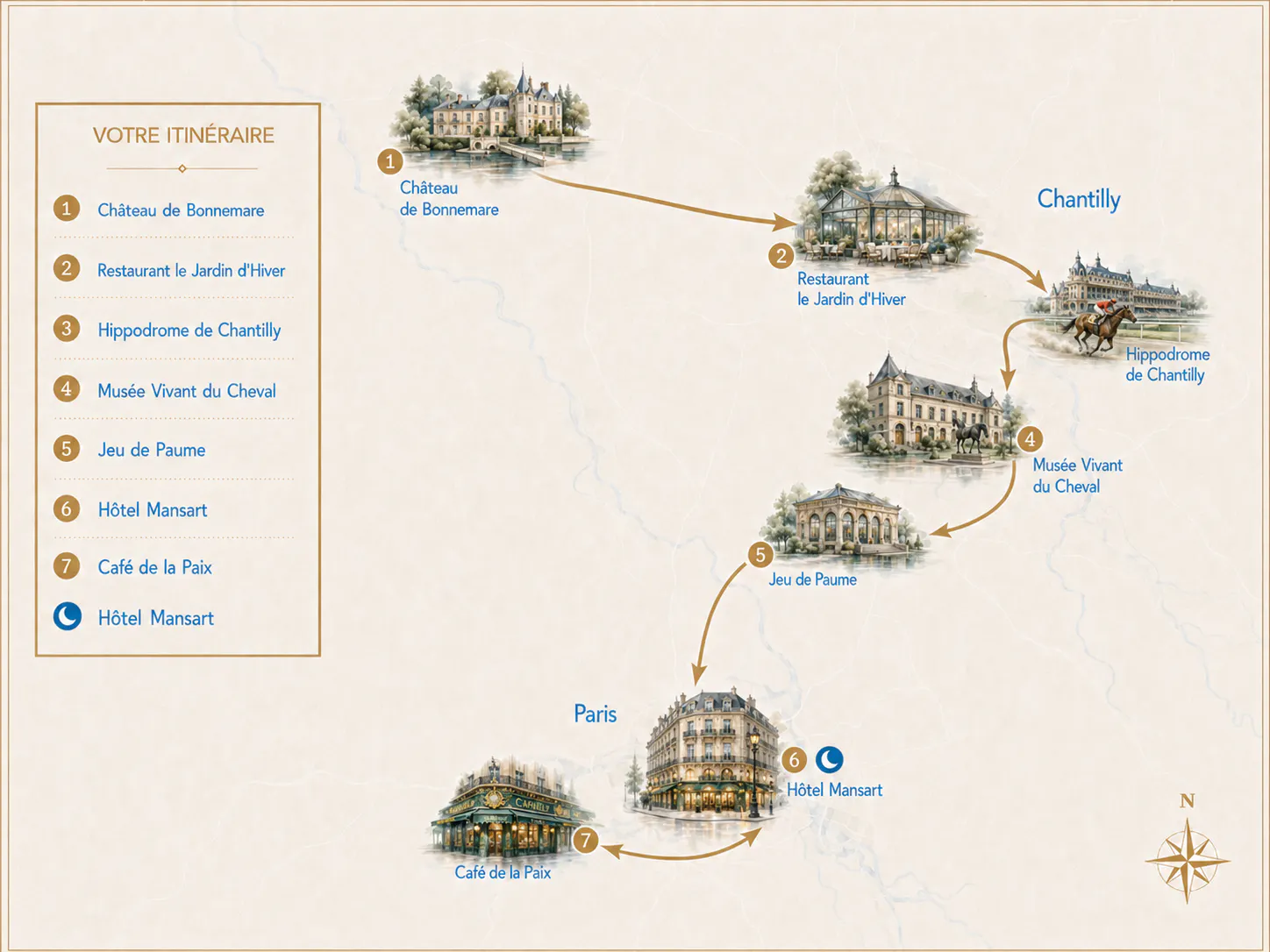
A glimpse of your first day’s itinerary
Morning at Château de Bonnemare
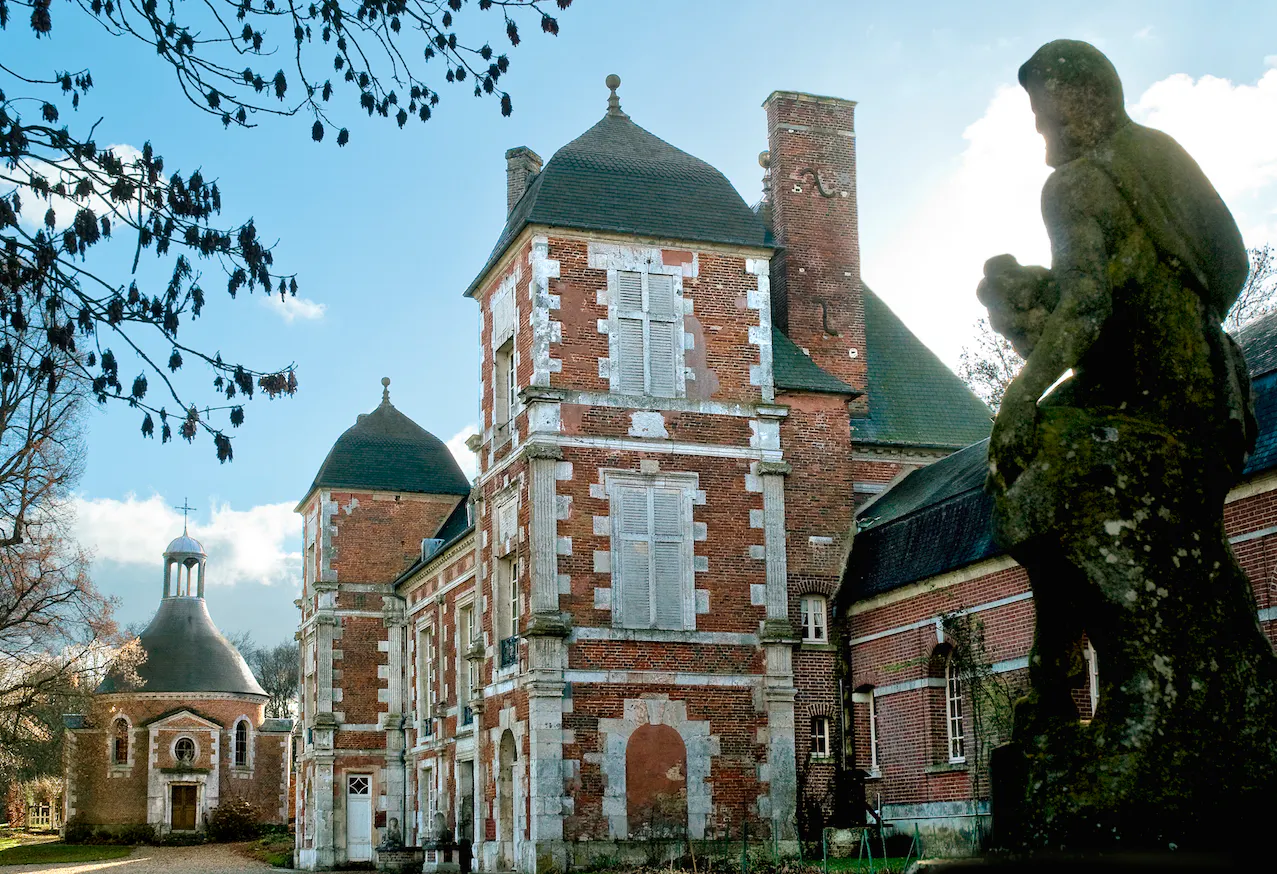
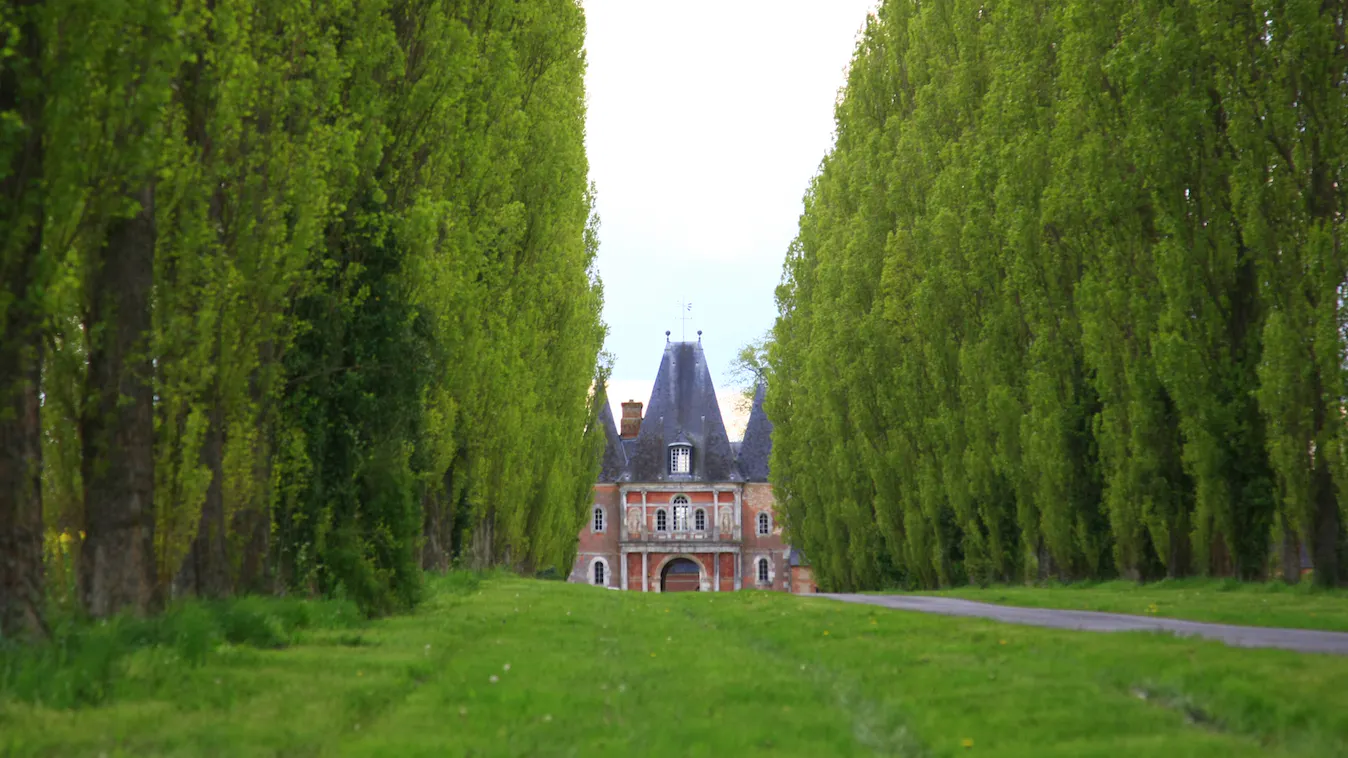
Upon arrival at Rouen-Rive-Droite station, you will be met by a private driver and transferred to Château de Bonnemare, around 30 minutes away.
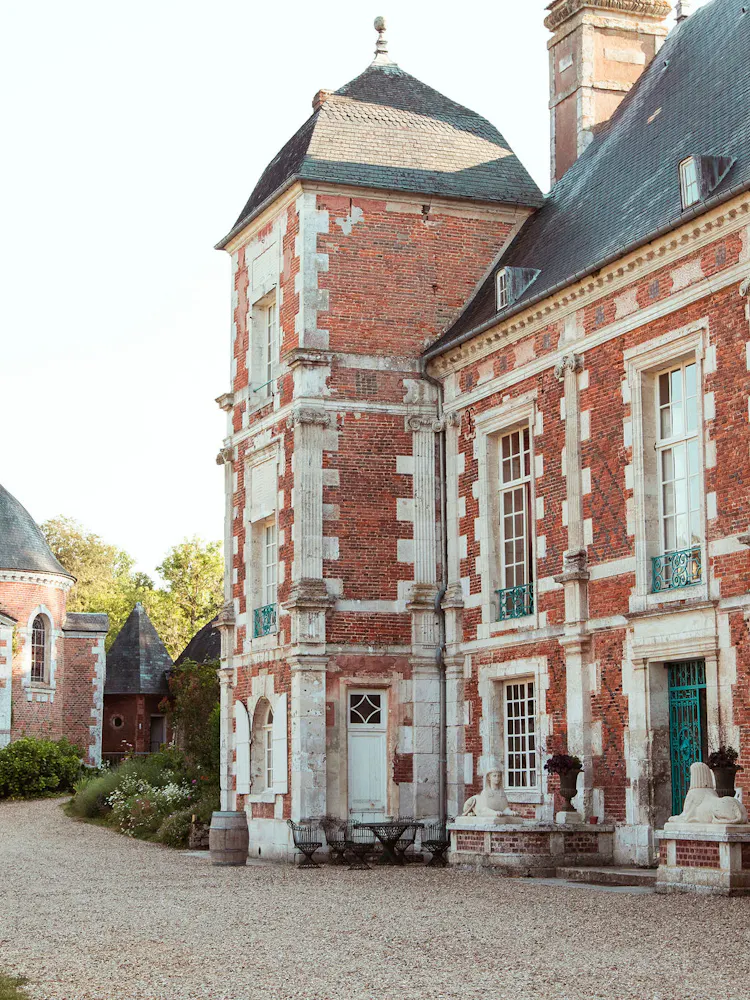
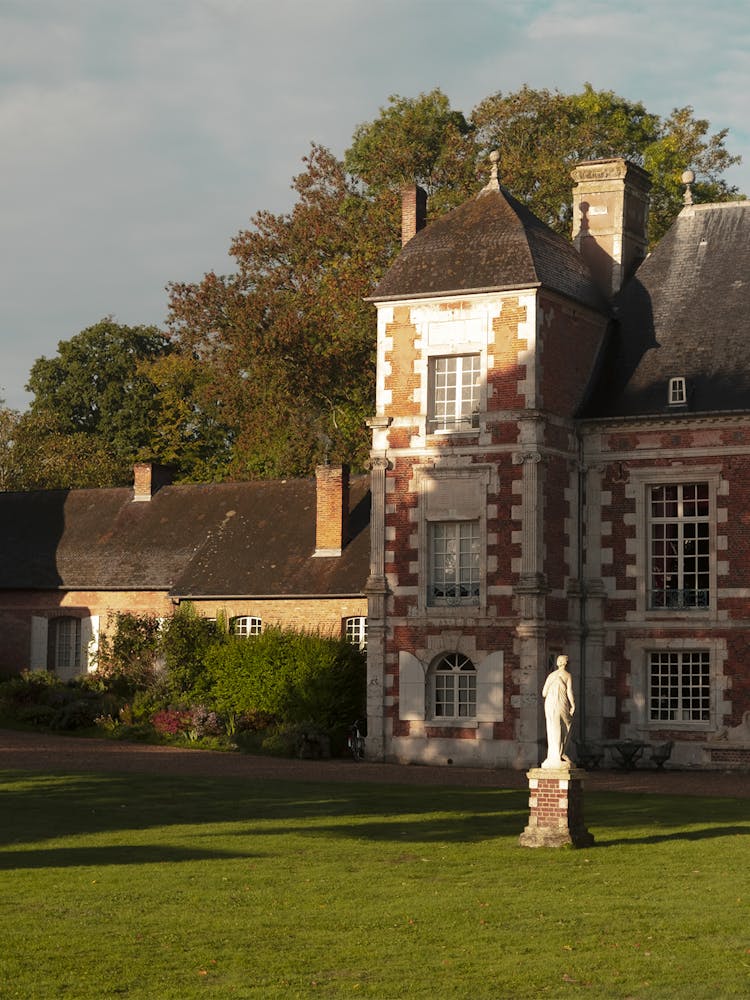
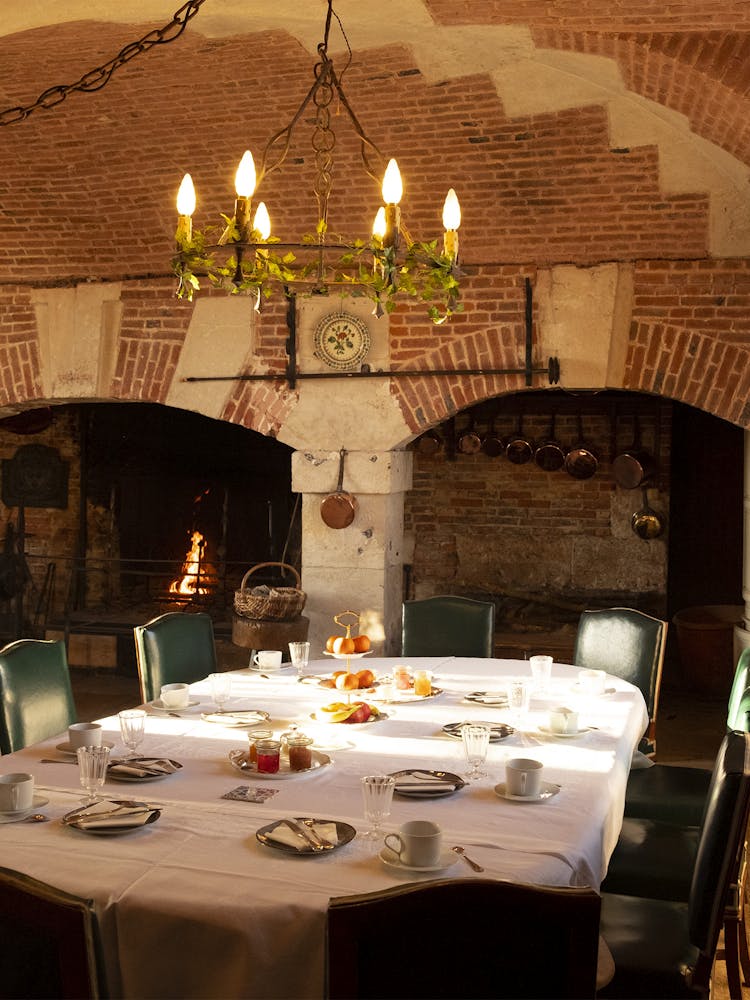
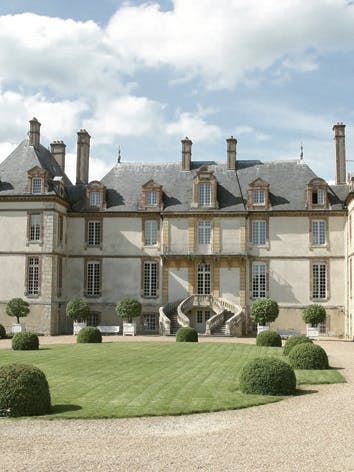
Built in the 16th century, the estate retains the atmosphere of a noble Renaissance residence. The château, chapel, kitchen and former cider house offer a glimpse into the lives of both its owners and the servants who kept the household running.
According to local tradition, Kings Charles VII and Charles IX are said to have stayed at Bonnemare while hunting. Charles VII is believed to have been welcomed in the former medieval manor, while the “King’s Chamber” preserves the memory of Charles IX’s supposed stay in the Renaissance residence.
Another episode has left very tangible traces. During the French Revolution, the owners had their coats of arms chiselled away from the stone to conceal their loyalty to the monarchy and protect the estate.
At Bonnemare, the history of France emerges through memories of two kings and the marks left by the fall of the Ancien Régime.
Lunch at Le Jardin d’Hiver
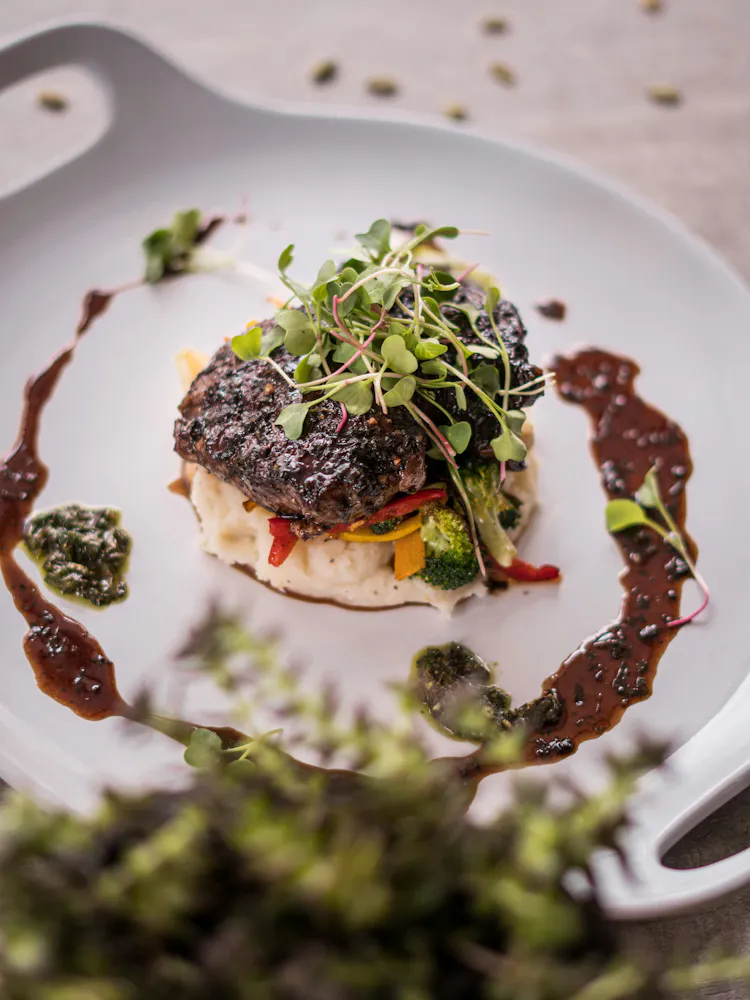
After the visit, continue to Chantilly for lunch at Le Jardin d’Hiver, the chic bistro of the Auberge du Jeu de Paume.
Seasonally inspired French cuisine is served in an elegant yet relaxed setting.
A first introduction to the world of Chantilly before heading to the stables and training grounds.
Afternoon behind the scenes of royal pastimes
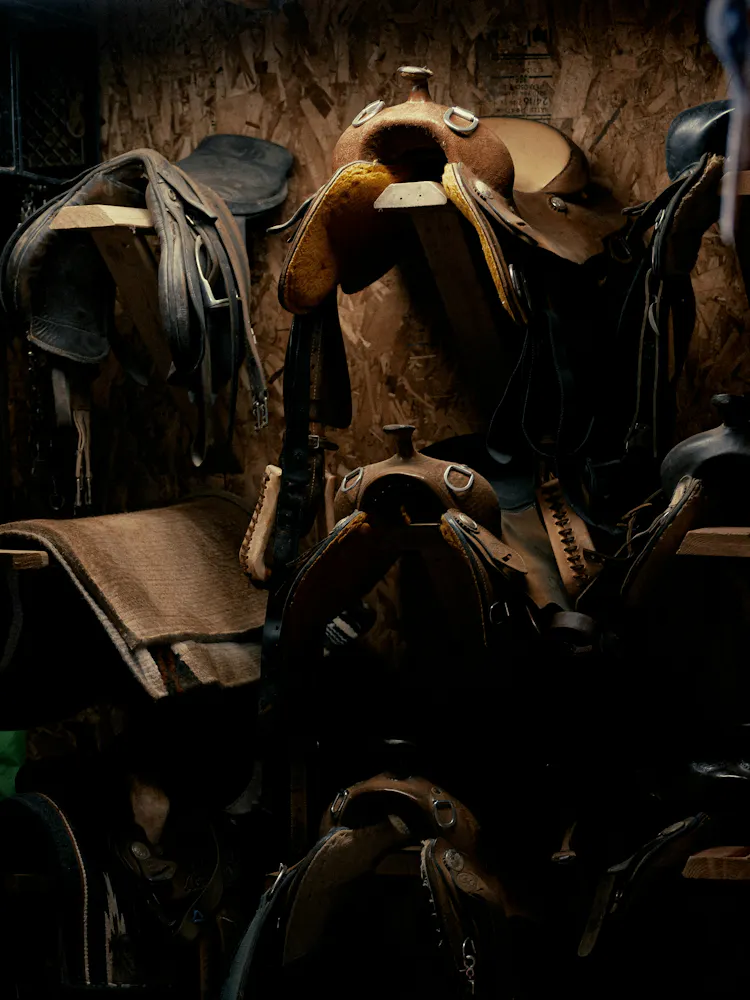
The Chantilly experience begins with a private tour of the stables and training grounds, accompanied by a professional from the equestrian world.
Depending on the time of the visit, guests can watch the horses at work and gain insight into the daily routines of trainers, riders and the teams who care for the thoroughbreds.
Warm-up, gait, recovery and care all reveal the precision behind this highly organised world. Behind just a few minutes on the racetrack lie months of preparation and an entire community of skilled professionals.
In Chantilly, a passion for horses has always been closely associated with the great aristocratic families. In the 18th century, Louis-Henri de Bourbon, Prince of Condé, commissioned the Great Stables to house his hunting horses and carriages.
Over the following century, the rise of horse racing gradually transformed the area into one of France’s leading equestrian centres. Princely pastimes gave way to a new world of owners, trainers, jockeys and racegoers.
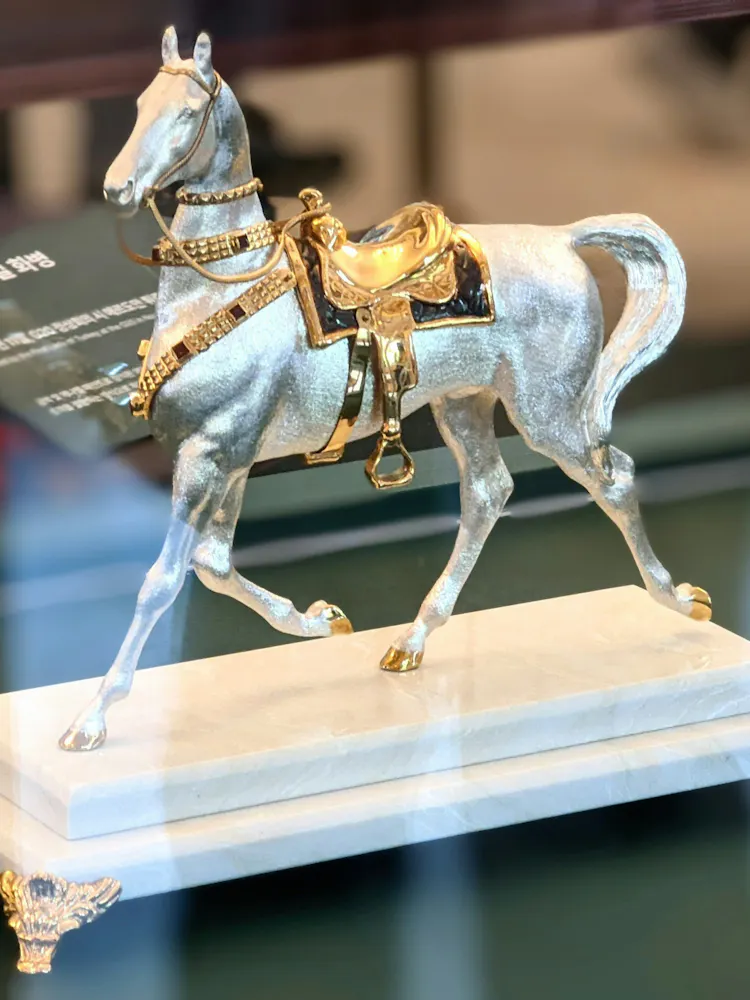
The visit continues in the Great Stables with a specially curated tour of the Museum of the Horse.
Saddles, paintings, trophies and objects associated with hunting and princely carriages place the practices observed earlier within a much longer history.
This experience reveals the many roles played by the horse in aristocratic society: a means of transport, a hunting companion, a symbol of prestige and a source of competition.
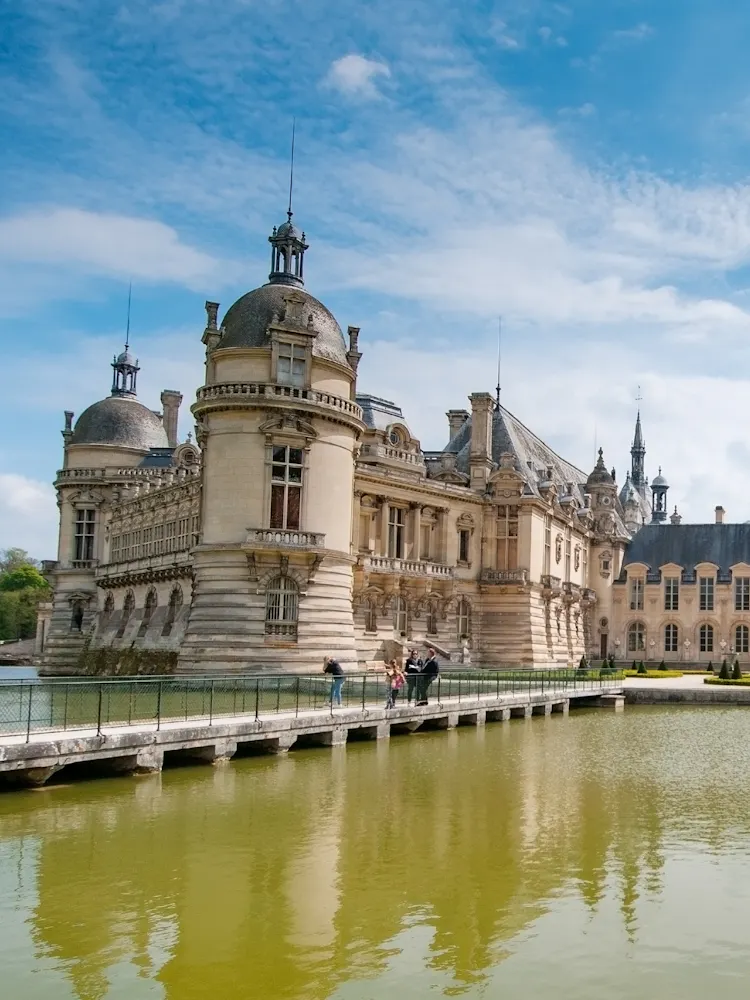
Just a short walk away, the Jeu de Paume bears witness to another princely pastime.
Built in the 18th century for Louis-Joseph de Bourbon-Condé, the building hosted the games and entertainments of aristocratic society, away from the official duties of court life.
In September 2026, it will present an exhibition devoted to Caroline Murat, sister of Napoleon I and Queen of Naples.
Furniture, works of art and personal objects offer an insight into the sovereign through her tastes, her collections and the way she projected her rank.
Check-in at Hôtel Mansart
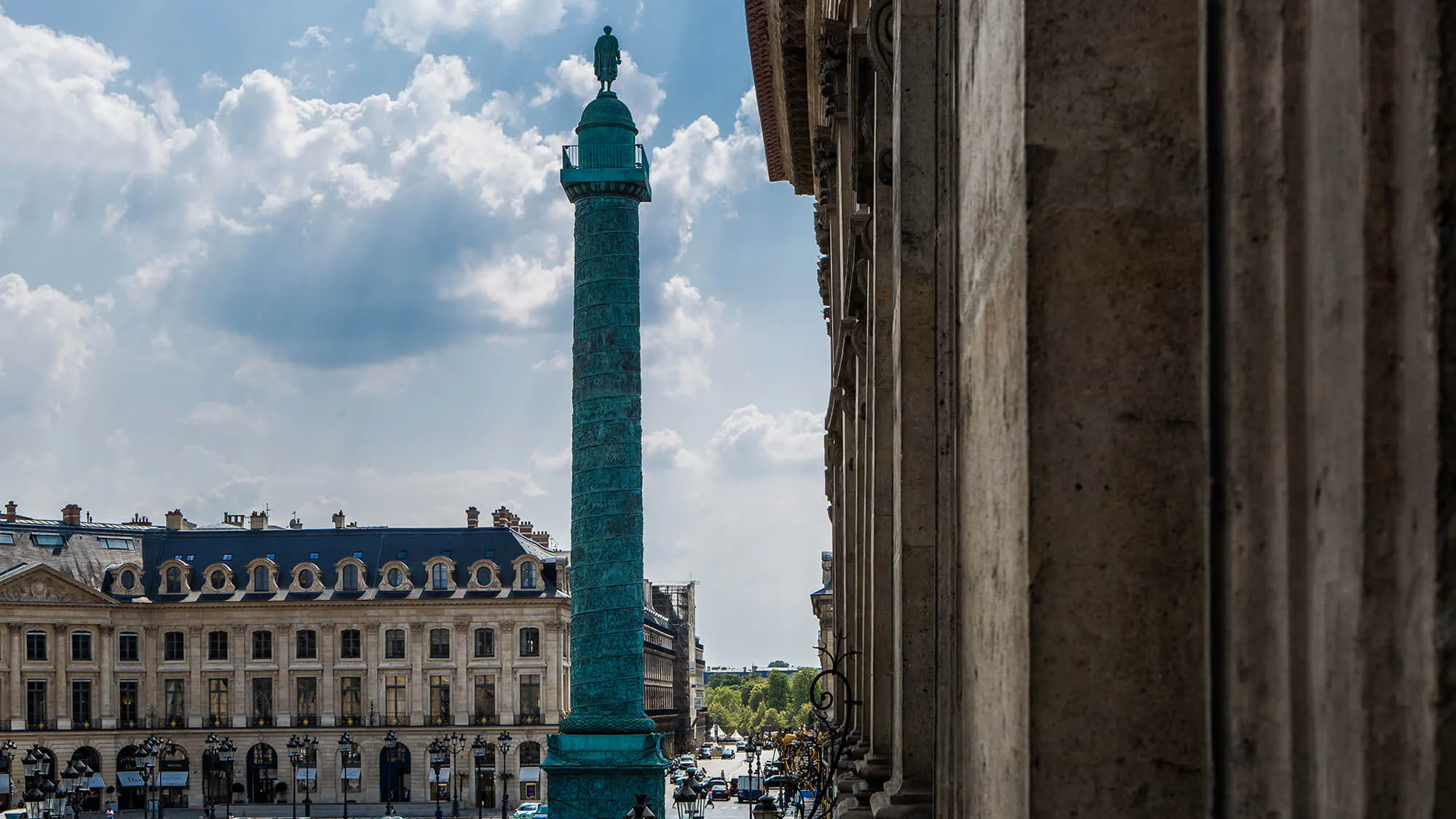
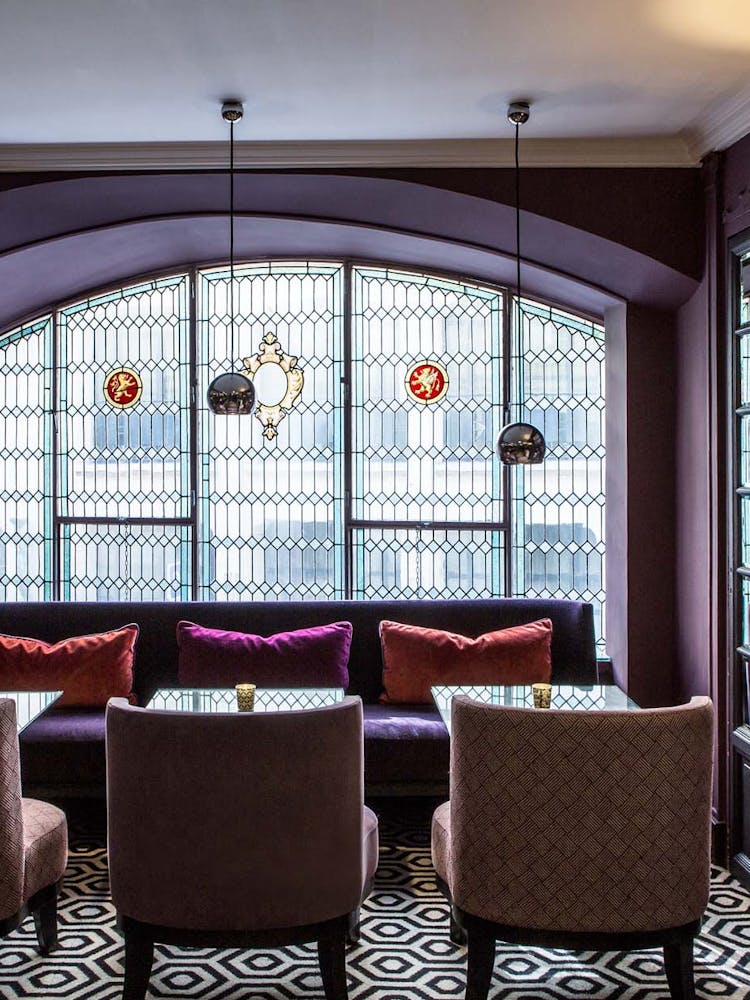
Continue to Paris and settle into Hôtel Mansart, just a short walk from Place Vendôme.
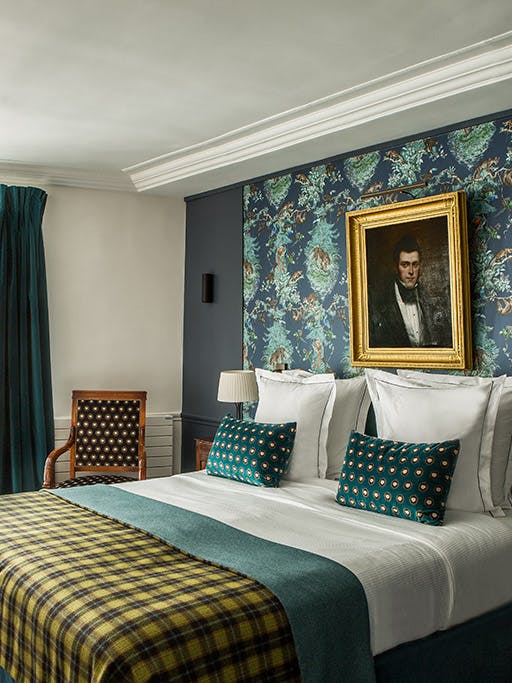
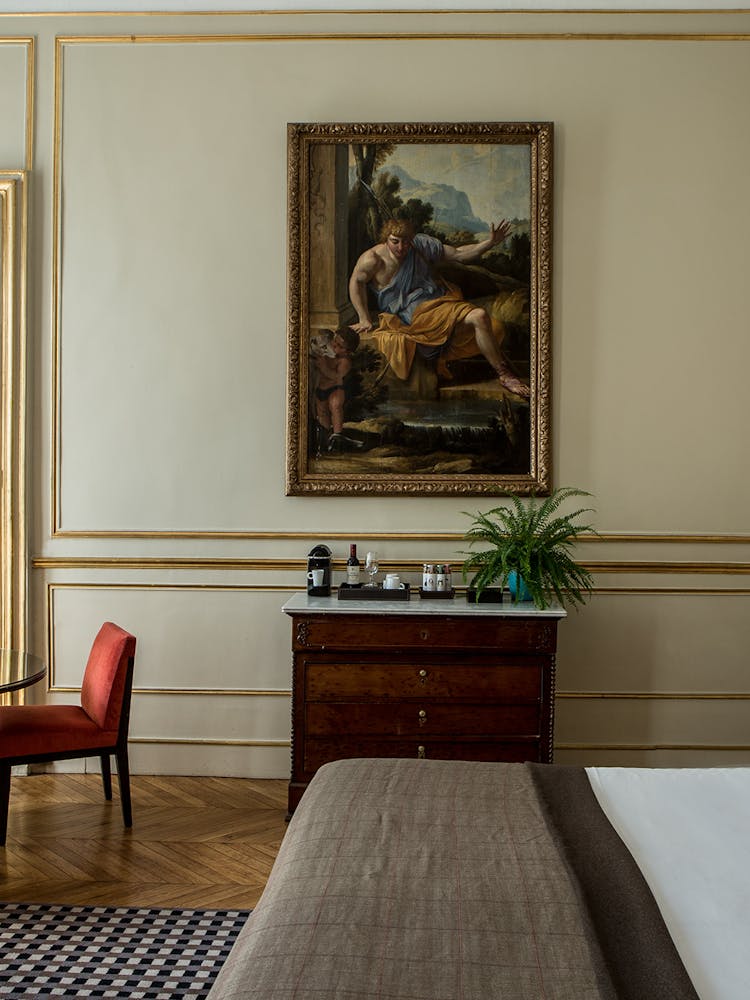
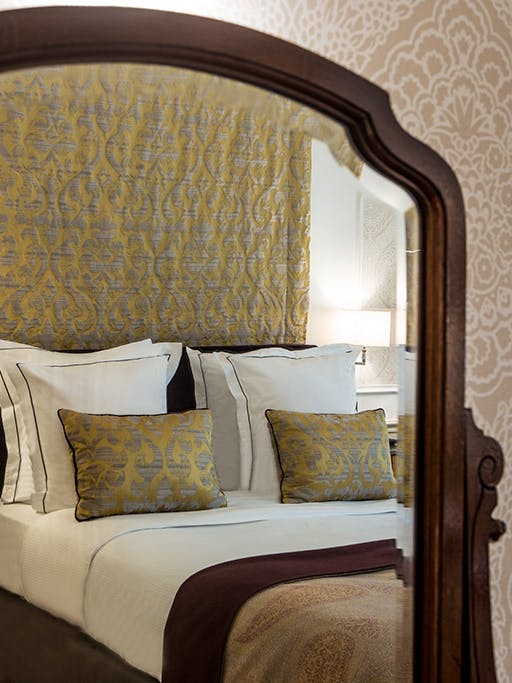
Completed in 1720, the building retains the atmosphere of a private Parisian residence, with antique furnishings and a distinguished art collection.
Among its former residents was Alexandre-Gabriel Lemonnier, jeweller to the Crown and creator of Empress Eugénie’s crown. Behind this official emblem lay the expertise of numerous craftsmen, including designers, gem cutters, engravers and stone setters, all entrusted with giving tangible form to imperial prestige.
The stay offers a new perspective on Place Vendôme: not merely as a monumental setting, but as the historic quarter of those who crafted the symbols of power.
Dinner at Café de la Paix
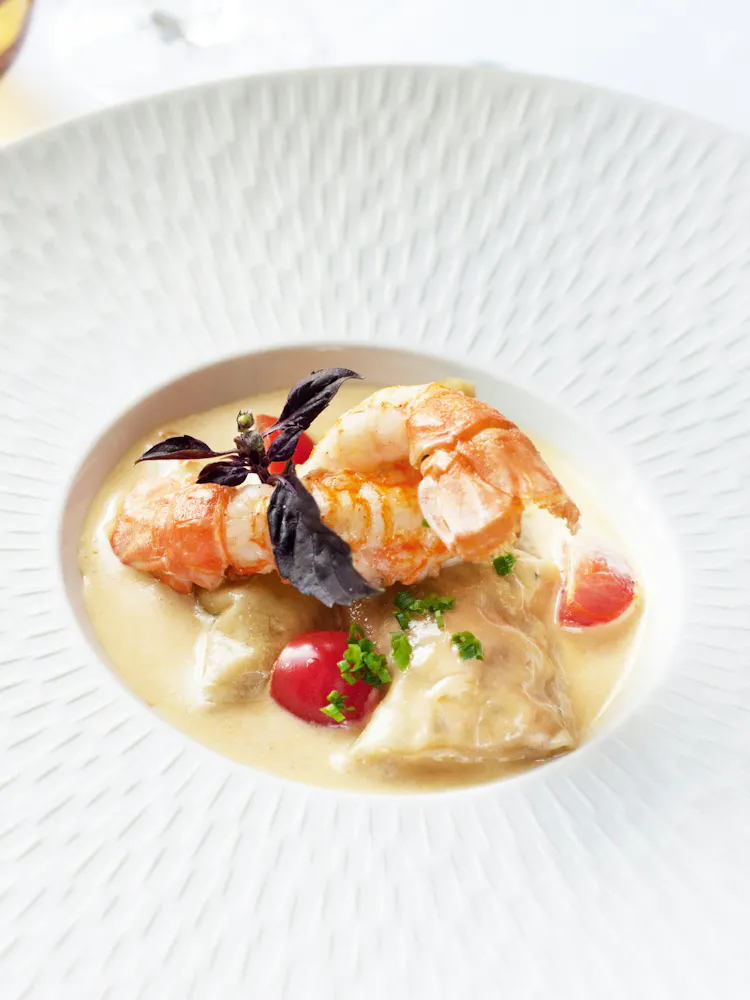
Dinner is served at Café de la Paix, opposite the Palais Garnier.
Opened in 1862 alongside the Grand Hôtel, the restaurant retains its opulent Napoleon III décor, with frescoes, gilding and wood panelling. Empress Eugénie attended its inauguration.
The menu revisits the great classics of French cuisine in a setting emblematic of Second Empire high society.
After discovering the craftsmanship behind Lemonnier’s creations, dinner offers a glimpse into the world for which they were made.
Day 2: Crafting and Managing Prestige
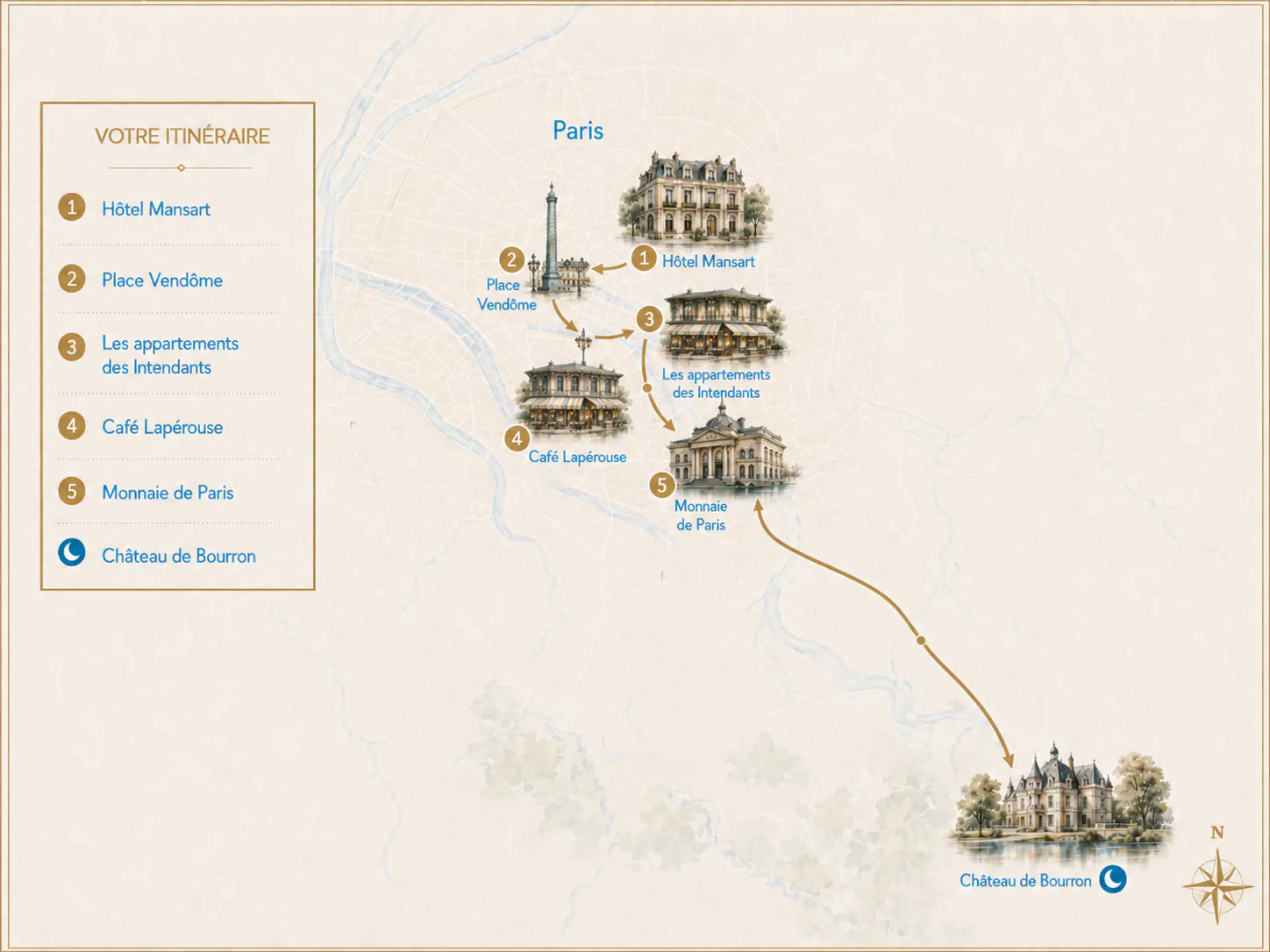
A glimpse of your first day’s itinerary
Morning in the Royal Artisans’ Quarter
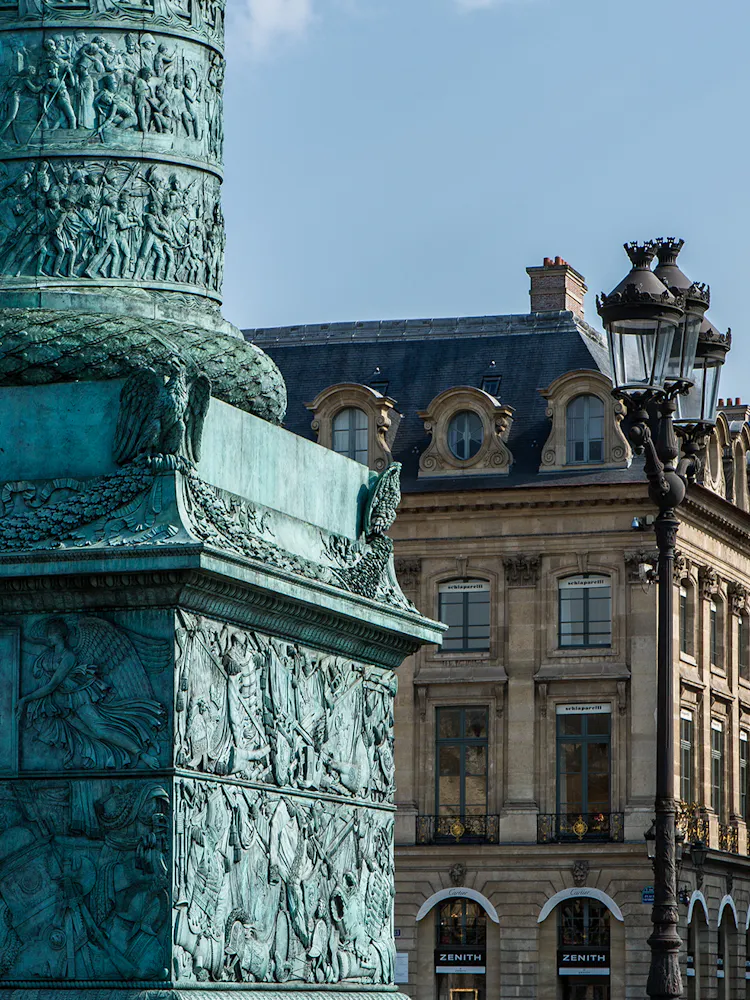
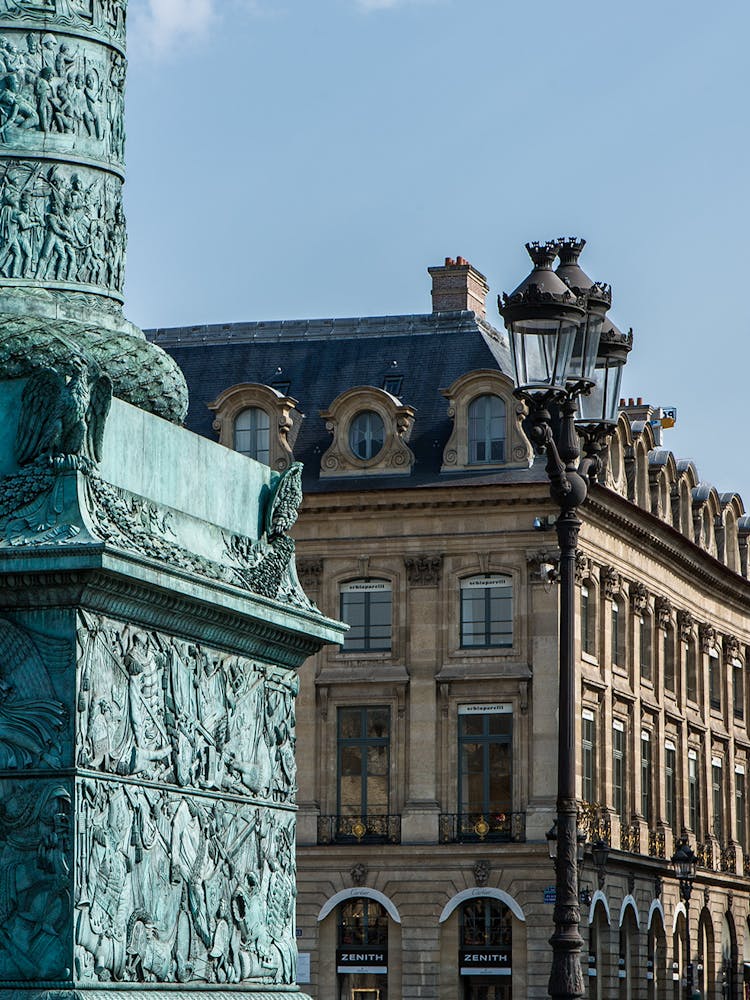
The morning begins with a guided walk around Place Vendôme.
Created during the reign of Louis XIV, it was originally conceived as a royal square before becoming the centre of Parisian high jewellery.
Drawing on Lemonnier’s story, the tour explores royal commissions, the selection of precious stones and the role of ceremonial jewellery.
A crown or parure was not merely decorative. It was a means of asserting rank, celebrating an alliance and projecting power.
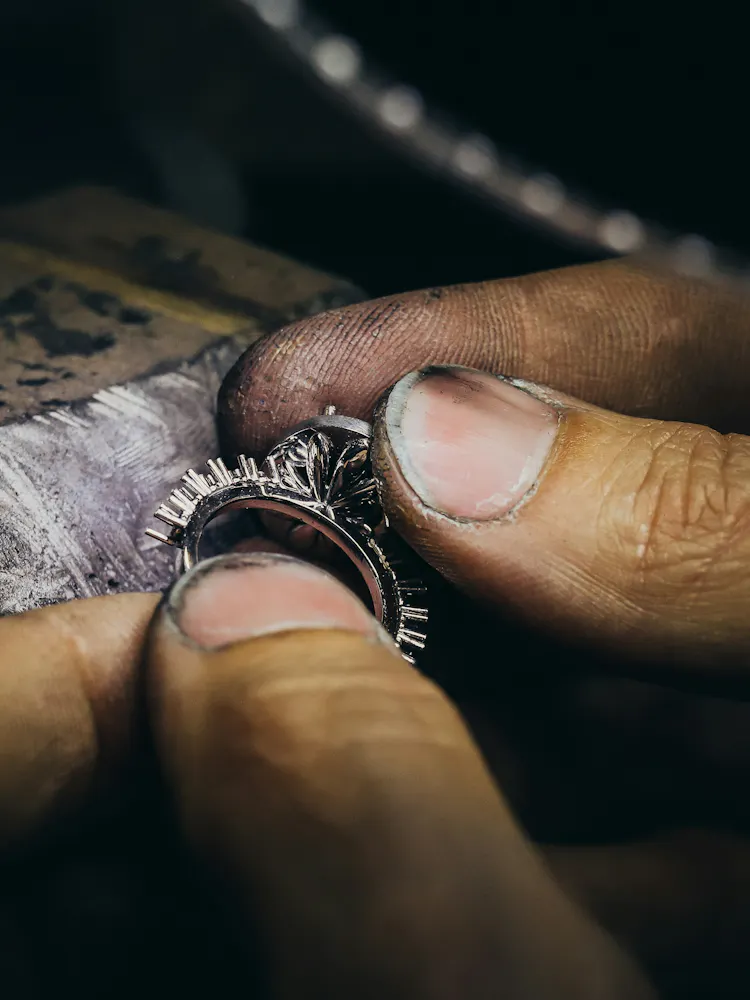
The walk continues at 12 Place Vendôme, Chaumet’s historic address.
Founded in the late 18th century, the maison became one of the leading jewellers of the imperial court under Napoleon I. Marie-Étienne Nitot notably created the coronation sword and worked for Empress Joséphine.
In the historic salons, a private presentation can explore the drawings, gemstones and various stages involved in creating a piece of jewellery. The Salon des Diadèmes houses a collection of models tracing the evolution of the tiara, both as a fashionable adornment and a visible symbol of the wearer’s rank.
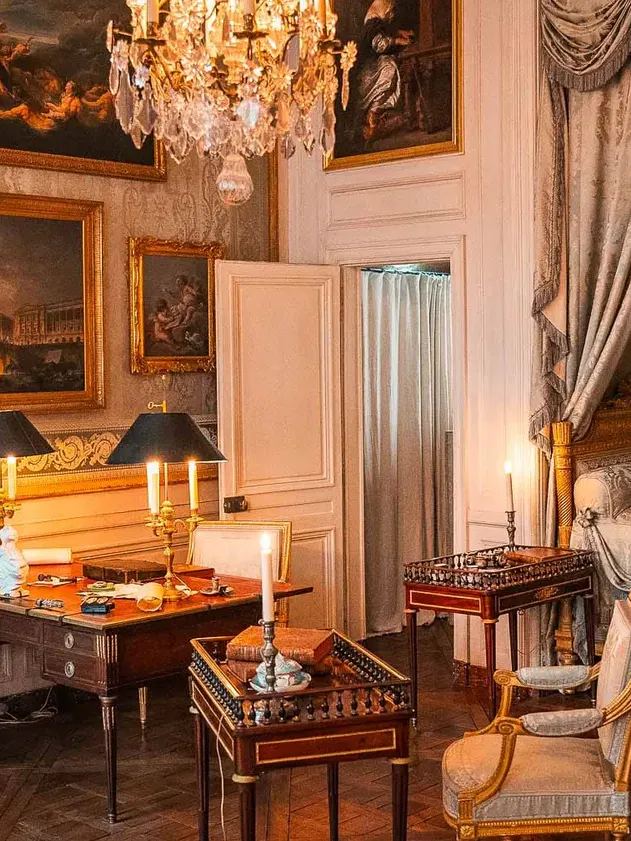
The tour continues on foot to the Hôtel de la Marine, formerly the Garde-Meuble de la Couronne, the royal furniture repository.
In the 18th century, the King’s furniture, tapestries, weapons and jewels were inventoried, stored and maintained here. Behind the splendour of the monarchy stood an entire administration of stewards, custodians and craftsmen.
The apartments offer an insight into their daily lives, through reception rooms, private offices and more intimate living spaces.
Lunch at Café Lapérouse
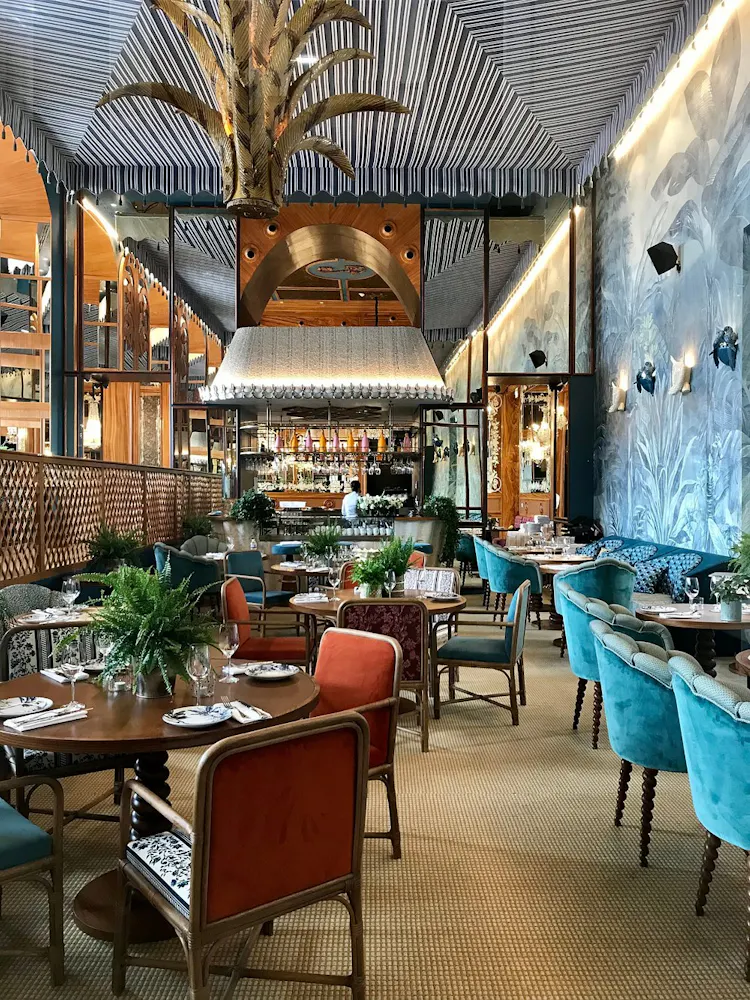
Lunch is served at Café Lapérouse, set within the courtyard of the Hôtel de la Marine.
The menu features French classics in a setting inspired by travel and cabinets of curiosities.
An elegant pause, with no further journey required, before continuing the exploration of the crafts and professions that served the powerful.
Afternoon at the Monnaie de Paris
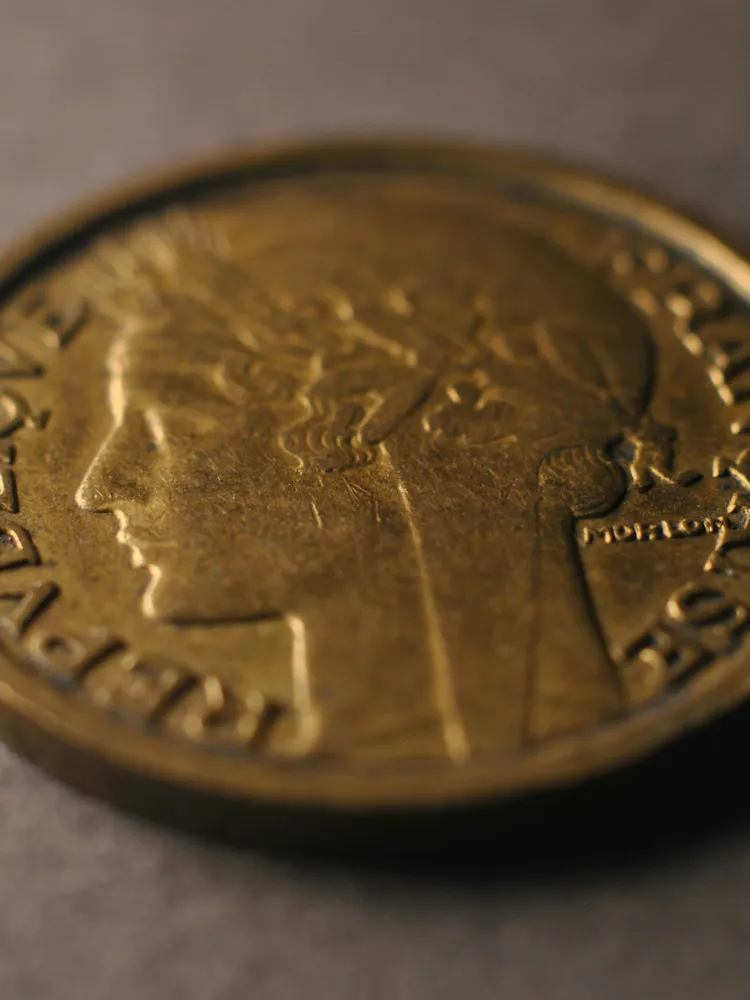
After lunch, continue to the Monnaie de Paris, which has stood on the Quai de Conti since the 18th century.
The site brings together a palace, a museum and a working mint that remains active today. A guided tour focusing on craftsmanship traces the transformation of metal through each stage of production.
Engraving, casting, chasing and striking are used to create coins, medals and official decorations.
Dies and punches made it possible to reproduce the sovereign’s portrait on thousands of coins. Currency therefore carried the image of the king or emperor into even the most ordinary everyday transactions.
Following the jewellery of Chaumet and the treasures of the Garde-Meuble, this visit reveals another way in which the symbols of power were created and circulated.
Late afternoon, dinner and overnight stay at Château de Bourron
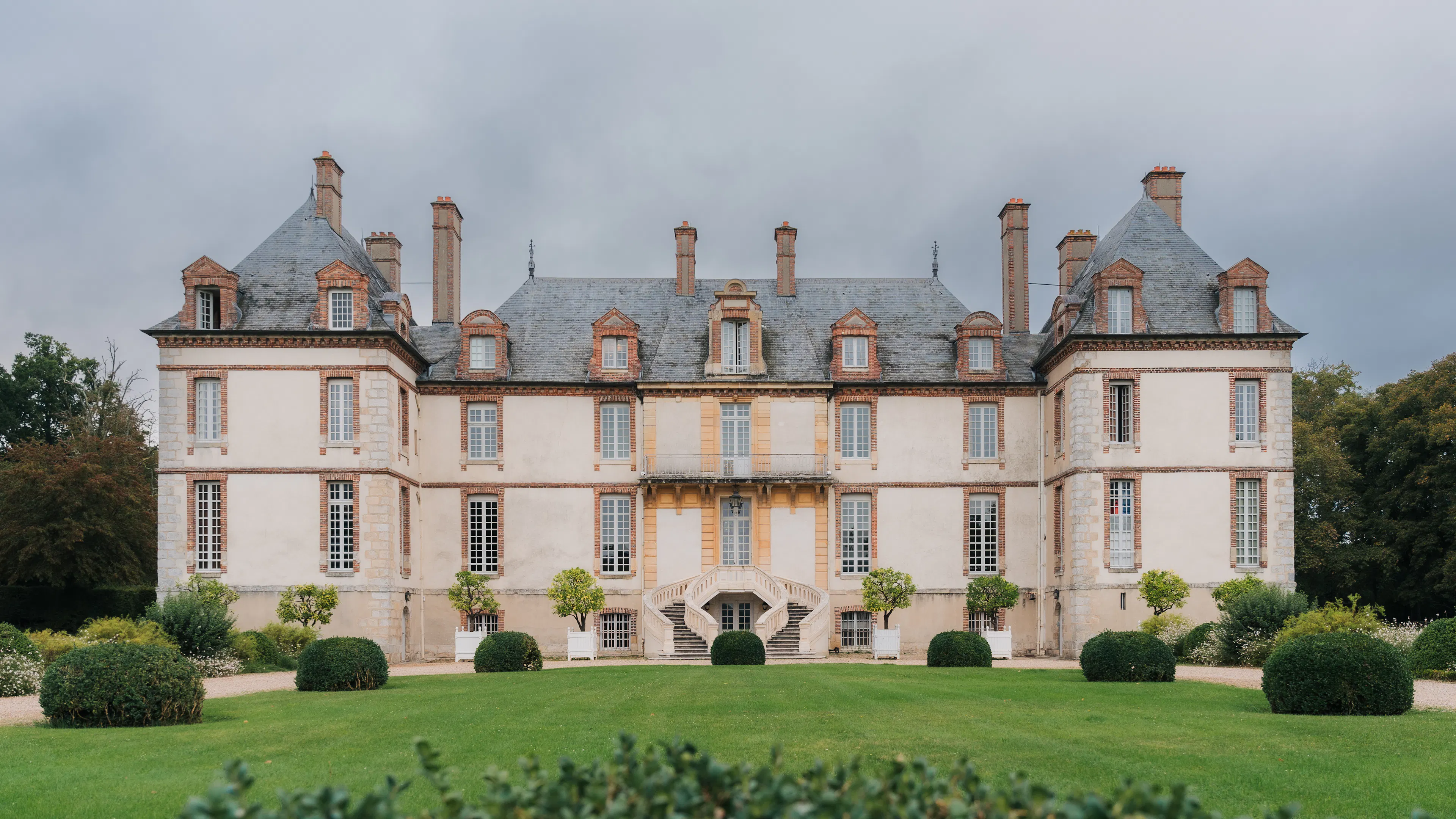
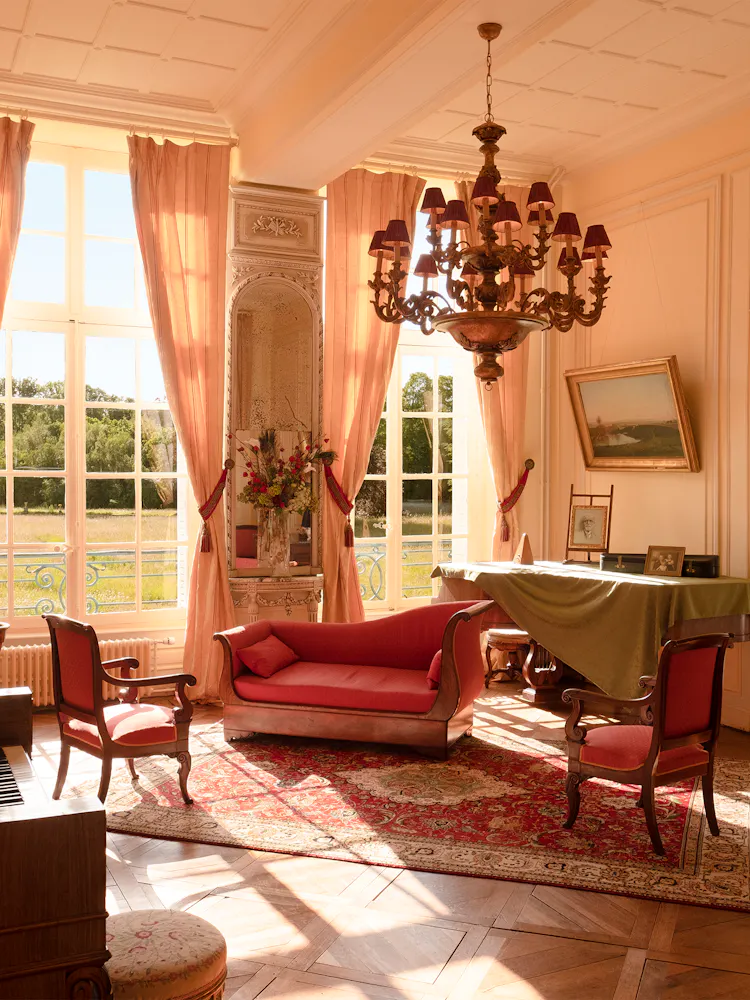
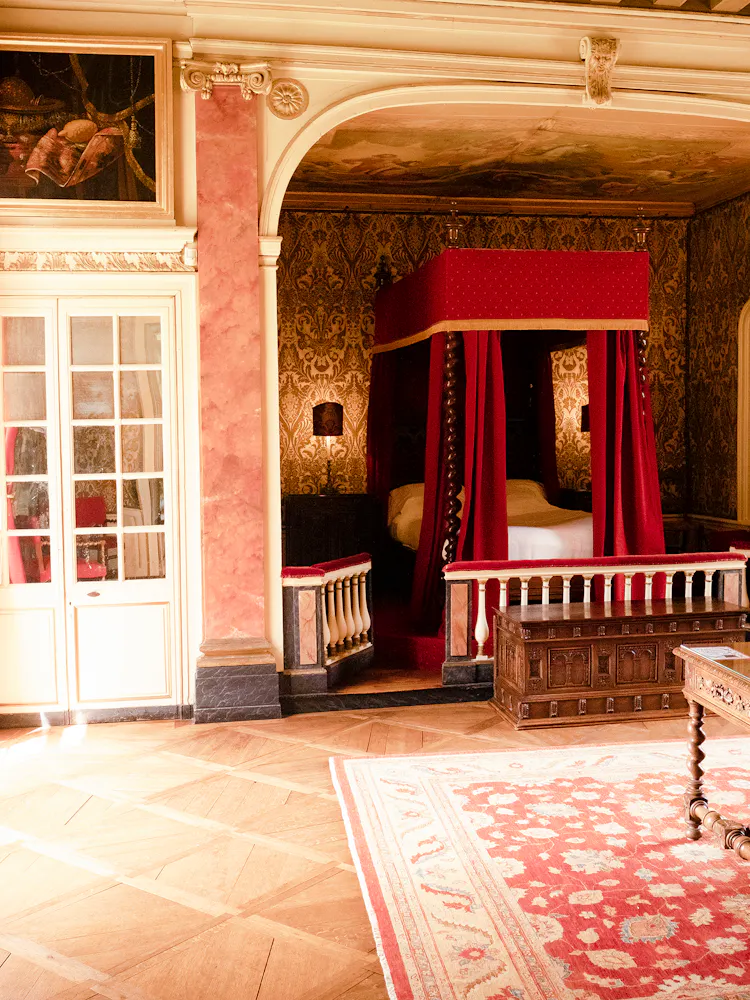
Continue to Bourron-Marlotte and settle into Château de Bourron.
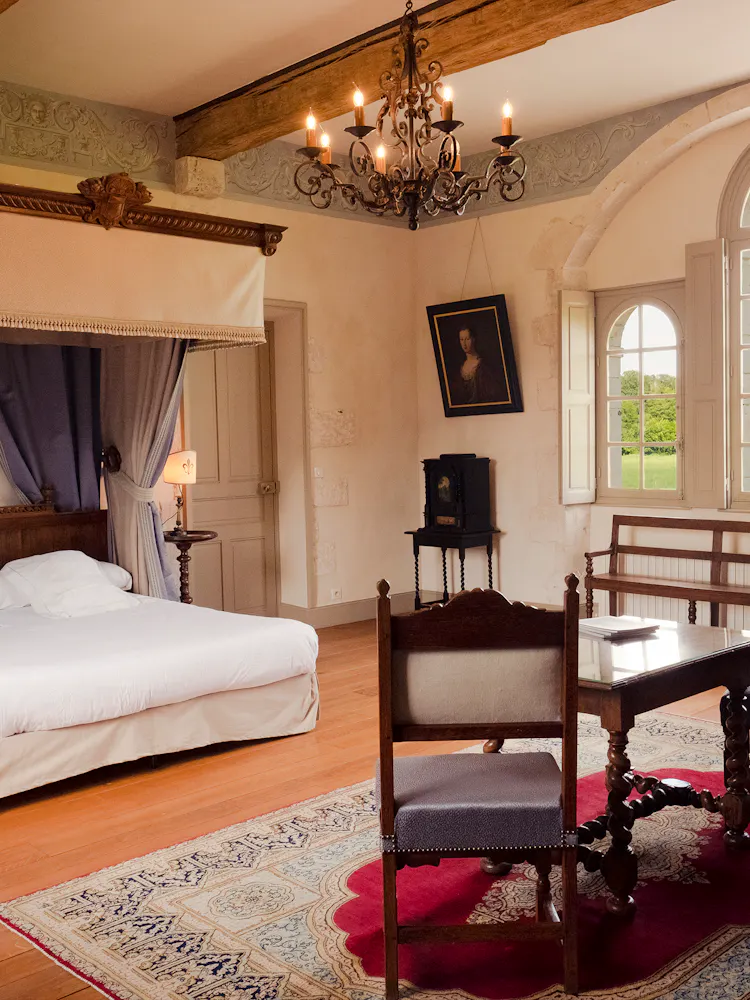
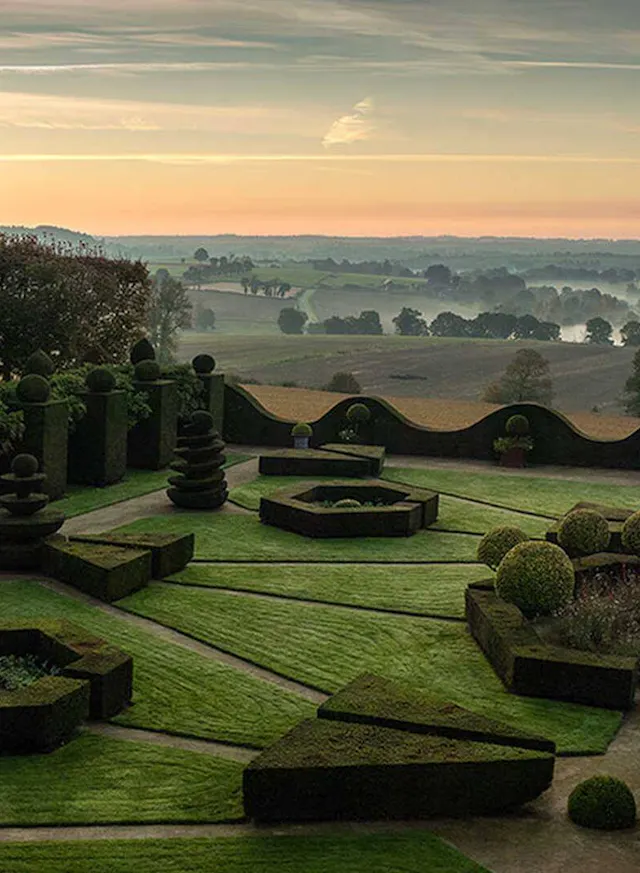
Surrounded by spring-fed moats, the château retains the elegance of the brick-and-stone residences built at the turn of the 17th century.
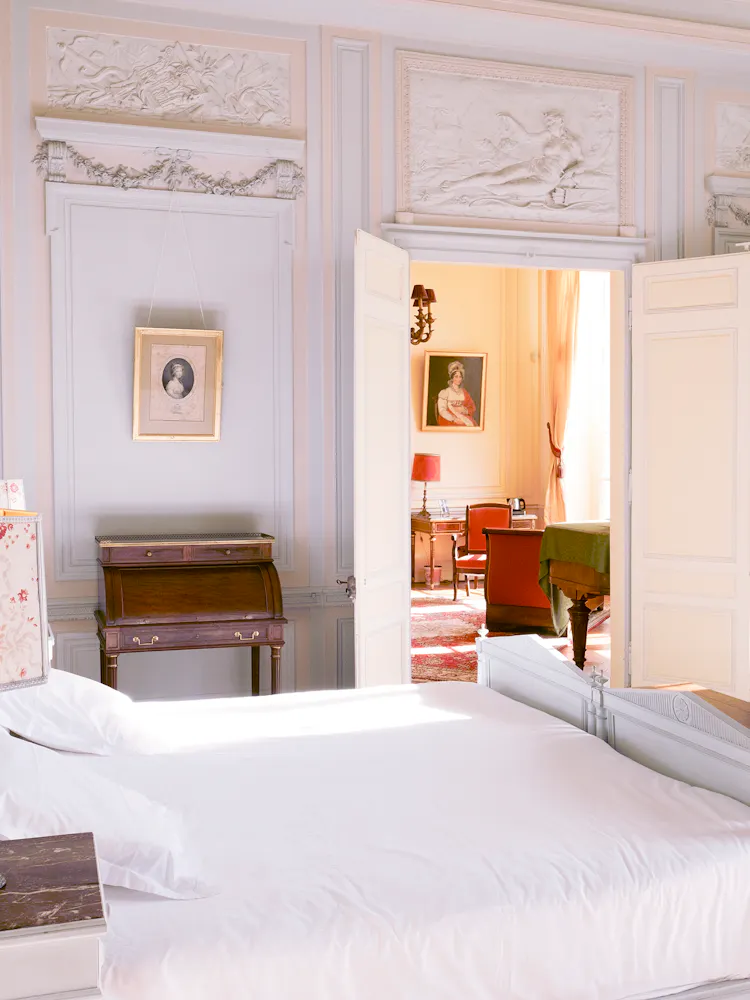
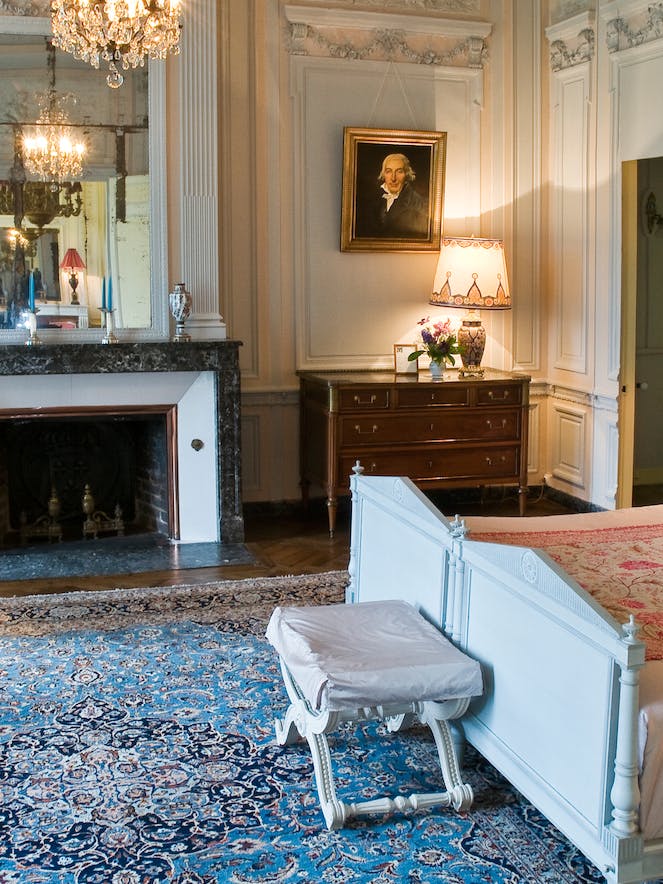
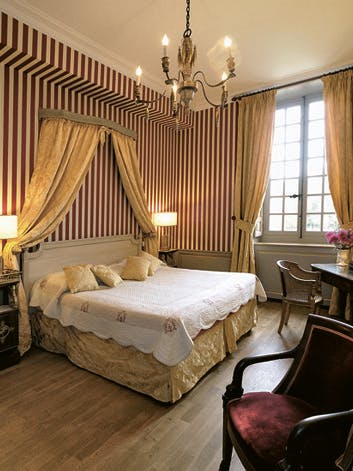
The property has remained a family home. Antique furniture, tapestries, books and personal mementos create an atmosphere quite unlike that of grand official residences.
Arriving in the late afternoon offers the opportunity to enjoy the estate in peaceful surroundings, when the views across the park regain their sense of intimacy.
Upon request, dinner can be arranged in one of the château’s salons.
The meal allows guests to extend the evening without returning to the road, surrounded by the atmosphere of a home that is still lived in.
An exclusive experience, subject to confirmation by the property.
Day 3: Court Etiquette and the Private Lives of Sovereigns
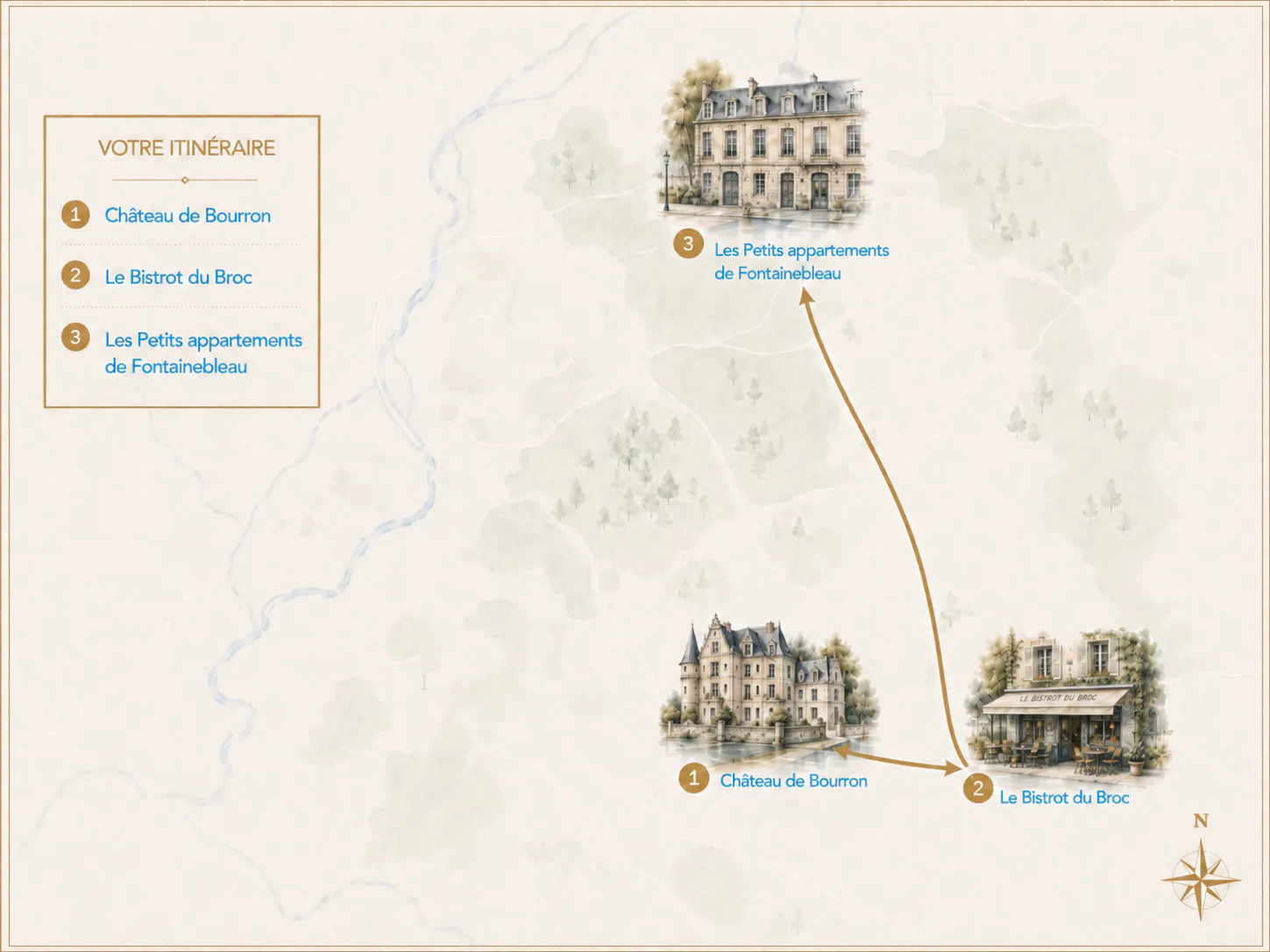
A glimpse of your first day’s itinerary
Morning Exploring the Hidden Stories of Château de Bourron
After breakfast, the morning is devoted to a private tour of the château and its grounds.
The central episode takes place in 1725. Stanisław Leszczyński, the deposed King of Poland and father of the future Queen Marie Leszczyńska, was due to stay near Fontainebleau for his daughter’s marriage to Louis XV.
Court etiquette, however, prevented him from being formally received at court. Bourron was therefore chosen to accommodate him and his wife.
Louis XV had to use a hunting party as a pretext to meet his future father-in-law “incognito”, without openly breaching protocol.
After becoming queen, Marie Leszczyńska would visit her parents at Bourron. According to the estate’s own tradition, she even lost a diamond in the grounds during one of her stays.
The tour continues with the old pulley systems, ice house, spring and moats. These features reveal the practical organisation required for the day-to-day running of a grand residence.
At Bourron, court history is brought vividly to life through a matter of protocol, a discreetly arranged meeting, servants at work and a jewel lost along a garden path.

Lunch at Le Bistrot du Broc
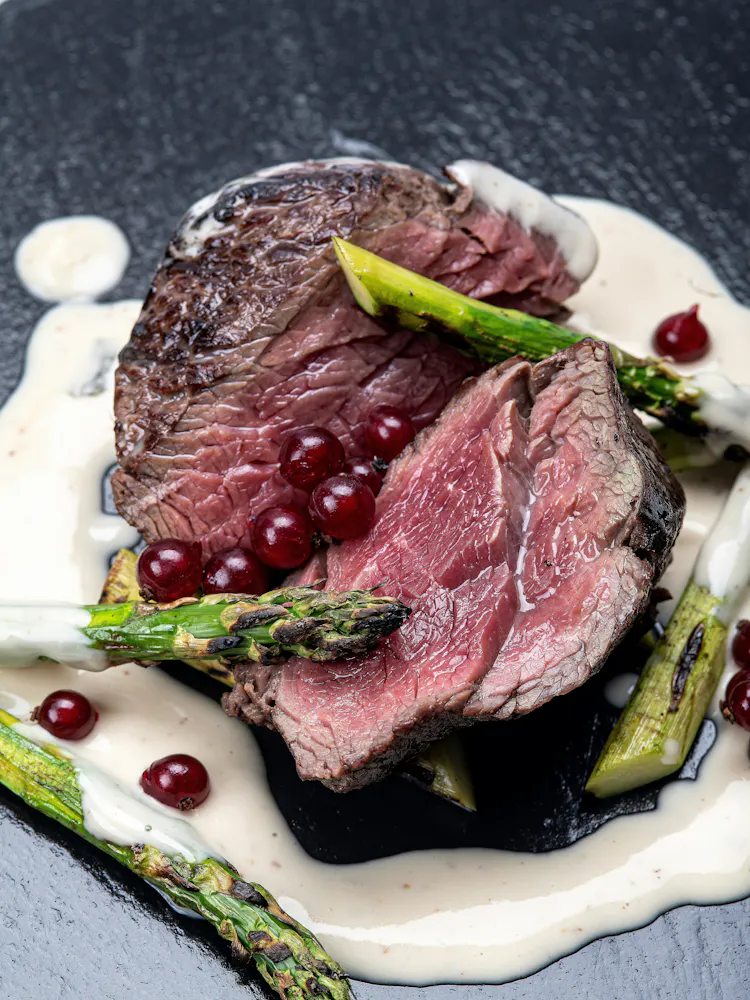
Lunch is served at Le Bistrot du Broc, in the village of Bourron-Marlotte.
The restaurant offers generous bistronomic cuisine, complemented by an extensive wine list.
A warm and welcoming stop before continuing to Fontainebleau, just a few minutes away by car.
Afternoon in the Private Apartments of the Château de Fontainebleau
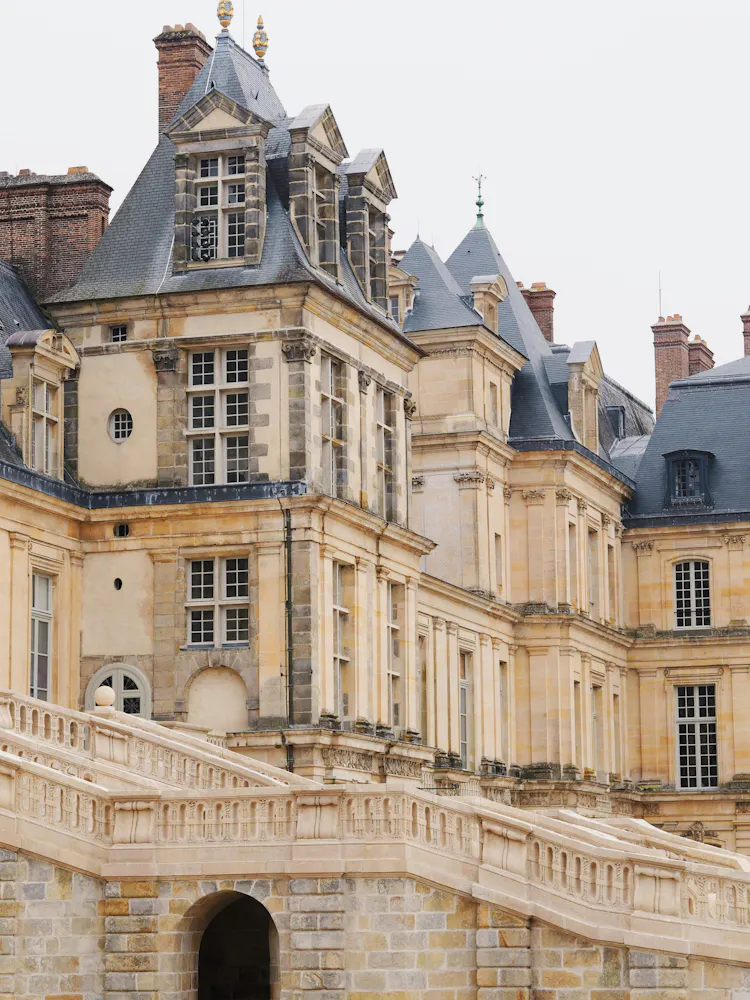
The final visit leads into the most private spaces of the Château de Fontainebleau.
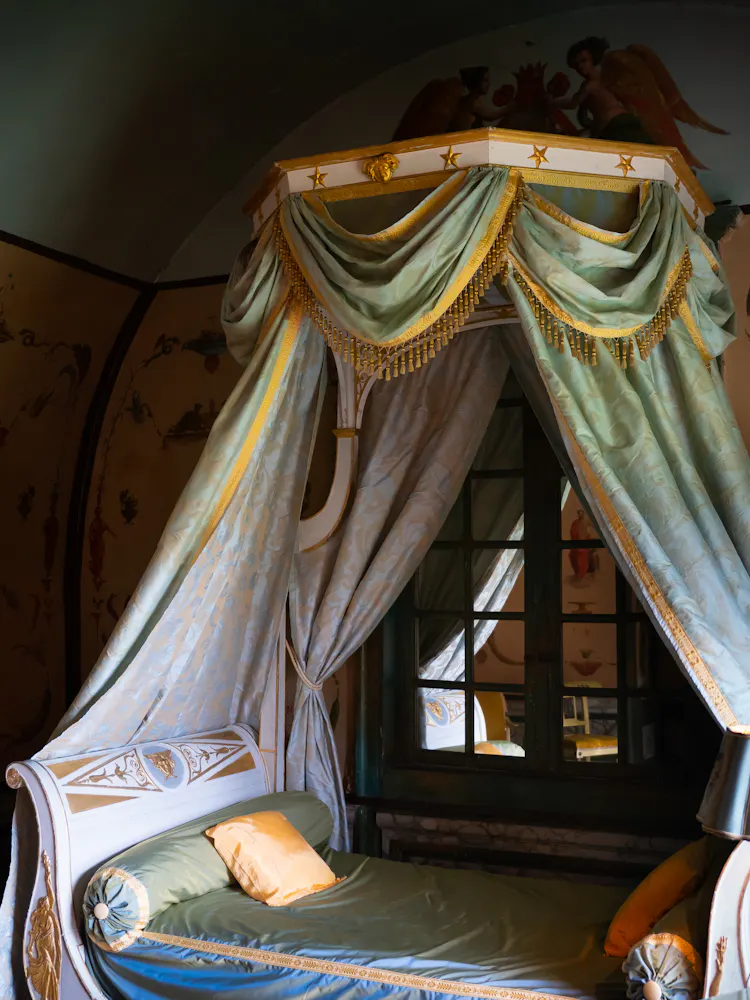
The Petits Appartements were designed for the private lives of Napoleon I, Joséphine and later Marie-Louise. Studies, bedrooms and service rooms reveal a more intimate side of the imperial family.
Far from the grand state apartments, these rooms evoke the sovereign’s everyday life: working, receiving a small circle of guests, resting and overseeing the running of the household.
Furniture, personal belongings and practical features reveal what took place once the ceremonies were over and the doors had closed.
After discovering how the rules of etiquette were discreetly circumvented at Bourron, Fontainebleau offers a glimpse into the private lives of those who officially embodied power.
At the end of the visit, transfer to Fontainebleau-Avon station for the journey to Paris-Gare de Lyon.
A private transfer to Paris or to an airport can also be arranged, depending on your onward travel plans.
From the erased coats of arms at Bonnemare to the private apartments of Fontainebleau, this itinerary explores monarchies and empires through the stories behind the scenes.
In Chantilly, history is revealed through the skill of horsemen, the pastimes of princes and the collections of a queen. In Paris, it takes shape in the hands of jewellers, stewards and engravers. At Bourron, it emerges through a matter of court etiquette and a family visit.
These places may not enjoy the fame of the great royal palaces, yet they offer a deeper understanding of what truly sustained power: homes, crafts, objects, traditions and countless personal stories.
*The “from” price shown is indicative and covers accommodation only. It is based on the rate available on 29 July 2026 for a stay from 18 to 20 September 2026 in a Superior Room at the various properties featured in the itinerary and bookable through the Esprit de France website.
Published on 05/08/2026